Sorry, your browser cannot access this site
This page requires browser support (enable) JavaScript
Learn more >

Xiangyang Yu · 余翔洋

Physics-Informed Neural Networks · Numerical Computing · Edge Intelligence

Xiangyang Yu (Young)

Xiangyang Yu (Young) is a PhD candidate at Zhejiang University, working on physics-informed neural networks (PINNs) and multiphysics coupled numerical computation.
His work spans complete projects from partial differential equation modelling and neural-network solvers to embedded hardware and edge deployment. He has co-authored two papers in SCI Q1 journals and has two invention patent applications under examination (see Publications & Patents).
This site records research notes, engineering projects and small self-developed tools; comments and discussion are welcome (Guestbook).

For a quick overview of the author and his projects, the on-site AI assistant can be consulted directly: Young’s LLM. It introduces the relevant content together with links to the corresponding pages.
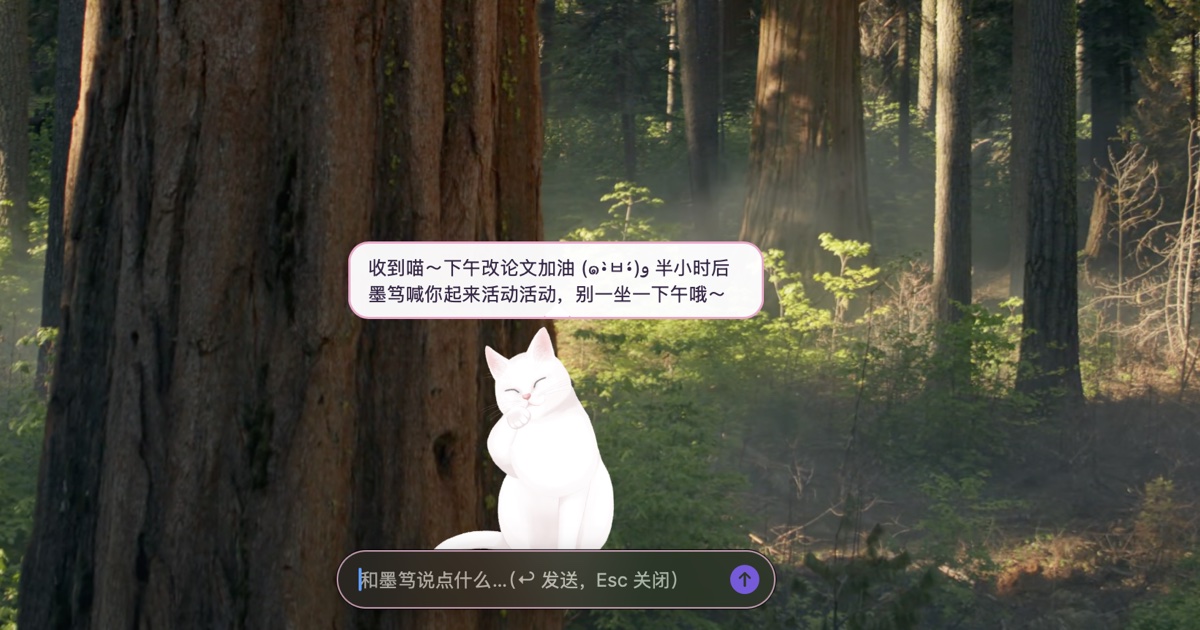
DeskPet is a native macOS desktop pet application (Swift / AppKit + WKWebView). A Live2D character resides on the desktop in a transparent window and provides idle motions, gaze tracking, swaying to the beat of music, and speech bubbles above its head; the dialogue content and motion changes are generated by a large language model (LLM) as structured JSON. The application additionally integrates routine reminders, weather-change alerts, a memory store, a daily task briefing, and a research mode that supports literature, news, market and weather retrieval and renders Markdown and LaTeX. The source code is open-sourced under the MIT License: Yu-Xiang-Yang/deskpet. All screenshots in this article were taken from DeskPet running on the author’s machine (the character is Tororo, an official Live2D sample model); none were composited or rendered from simulated data.

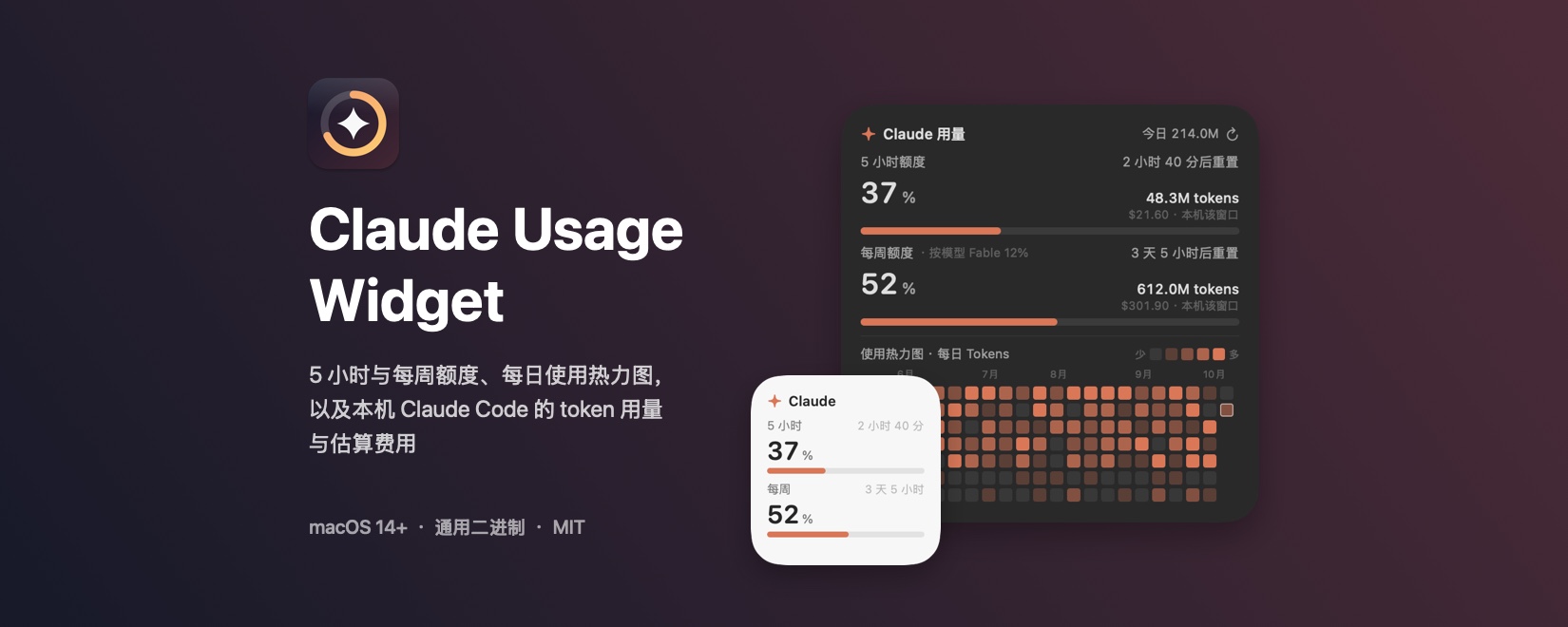
The 5-hour and weekly quotas of a Claude subscription are presented only on the usage page of claude.ai. Claude Usage Widget is a native macOS desktop widget (Swift / SwiftUI) that keeps both quotas (percentage used and reset countdown), the per-model weekly quota, a GitHub-style daily usage heatmap, and the token usage and estimated cost of the local Claude Code installation permanently on the desktop. Across its four sizes, the card dimensions, corner radius and grid snapping match those of the system widgets. The latest release is v1.0.0 (2026-10-13), open-sourced under the MIT License: Yu-Xiang-Yang/claude-usage-widget. The project is independent and not affiliated with Anthropic; it was developed with the assistance of Claude Code.

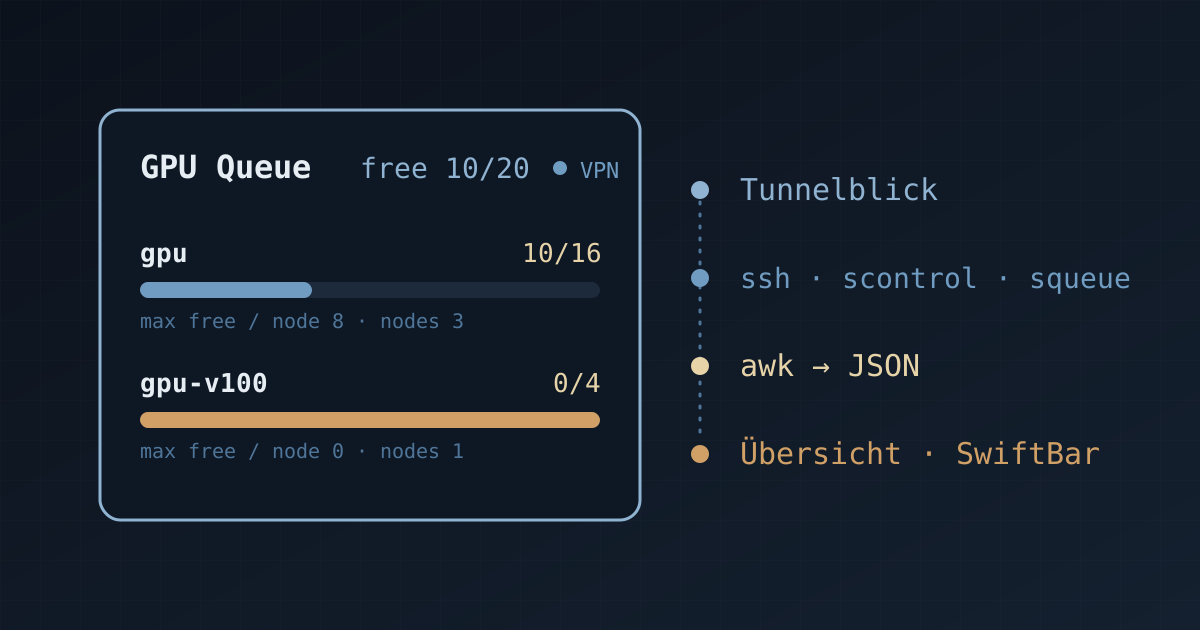
Before a GPU job is submitted, the number of idle GPUs in each partition must be confirmed. The conventional procedure consists of connecting to the VPN, logging in via SSH, running scontrol and squeue, and tallying the output by hand. Slurm GPU Widget encapsulates this procedure in a background collection script and keeps the occupancy of each partition permanently on display in two forms, an Übersicht desktop card and a SwiftBar menu-bar item; a single refresh takes approximately 0.7–1.3 s, and the default refresh period is 15 s. The project is open-sourced under the MIT License: Yu-Xiang-Yang/slurm-gpu-widget.

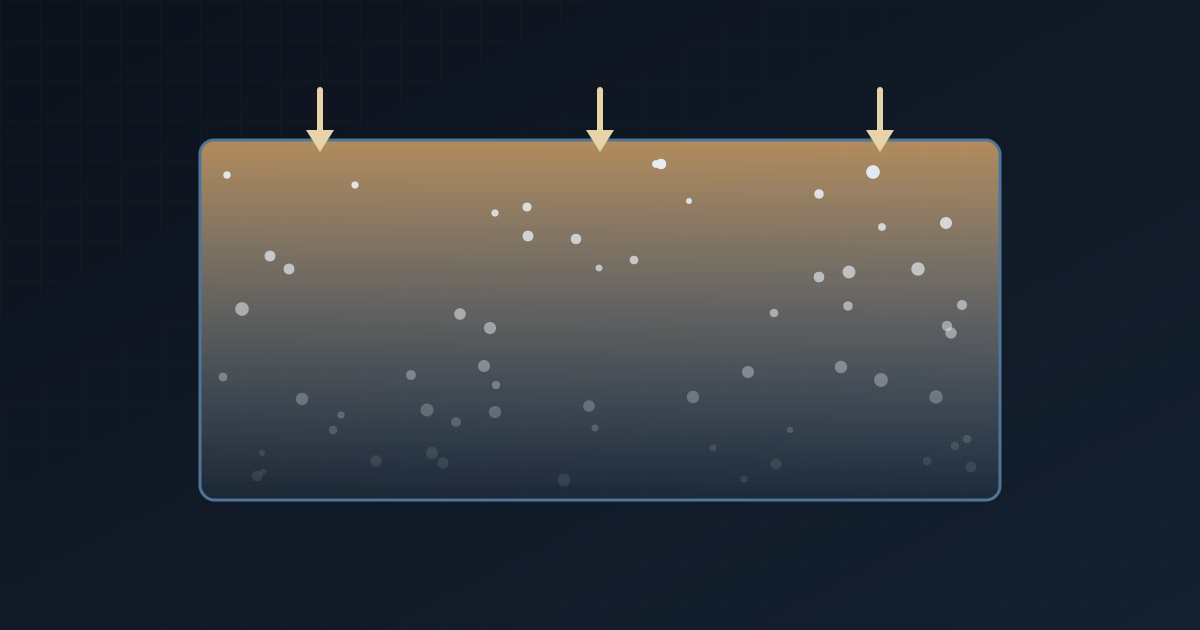
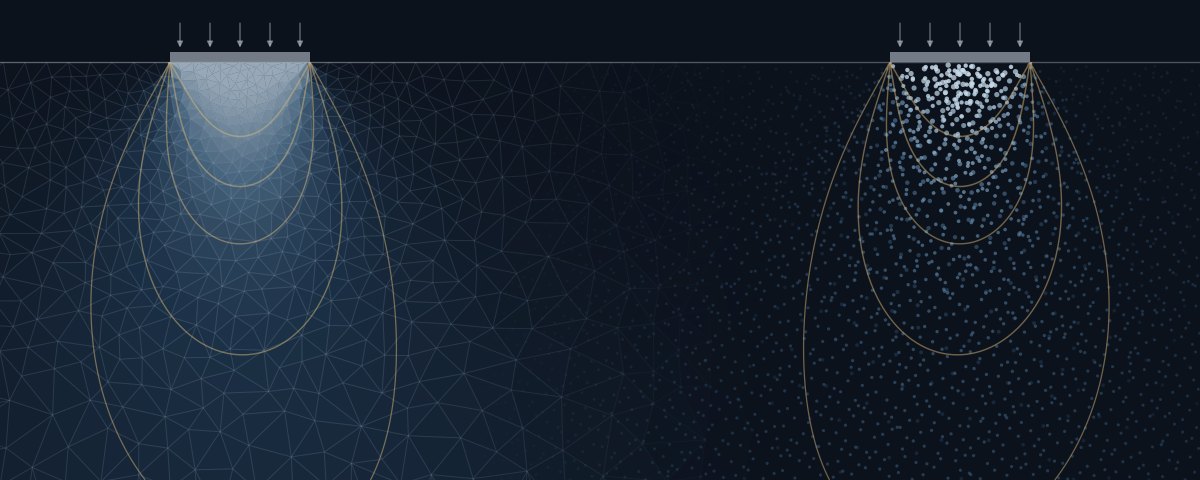
This post introduces the paper Experimental study on the interaction mechanisms of soil overlying embedded foundations under reverse faults, published in Transportation Geotechnics (2025, 54: 101596). Through 26 1g model tests combining three factors (foundation position, embedment depth and structural load), the study examines the interaction between embedded foundations and the rupture zone under reverse fault movement. Based on the characteristics of ground surface and foundation displacement, the interaction is classified into three modes: bottom contact, sidewall-bottom contact and sidewall contact. The transitions between the modes are delineated, and the underlying mechanisms are explained in terms of foundation stiffness and additional stress.

This post introduces the paper Analytical solution for one-dimensional chemo-hydro-mechanical coupled consolidation under time-dependent loading in buffer clay layer, published in the Canadian Geotechnical Journal (2025, 62: 1–13). Addressing the situation in landfills and similar works where the load is applied progressively over time, the study establishes a one-dimensional chemo-hydro-mechanical (CHM) coupled consolidation model for a buffer clay layer. The two coupled partial differential equations are decoupled by a linear combination, and analytical solutions are derived for four cases: ramp loading and exponential loading, each under single-sided and double-sided drainage. After verification against numerical solutions obtained with COMSOL Multiphysics, the influence of eight parameters on pore water pressure and contaminant transport is analysed systematically.

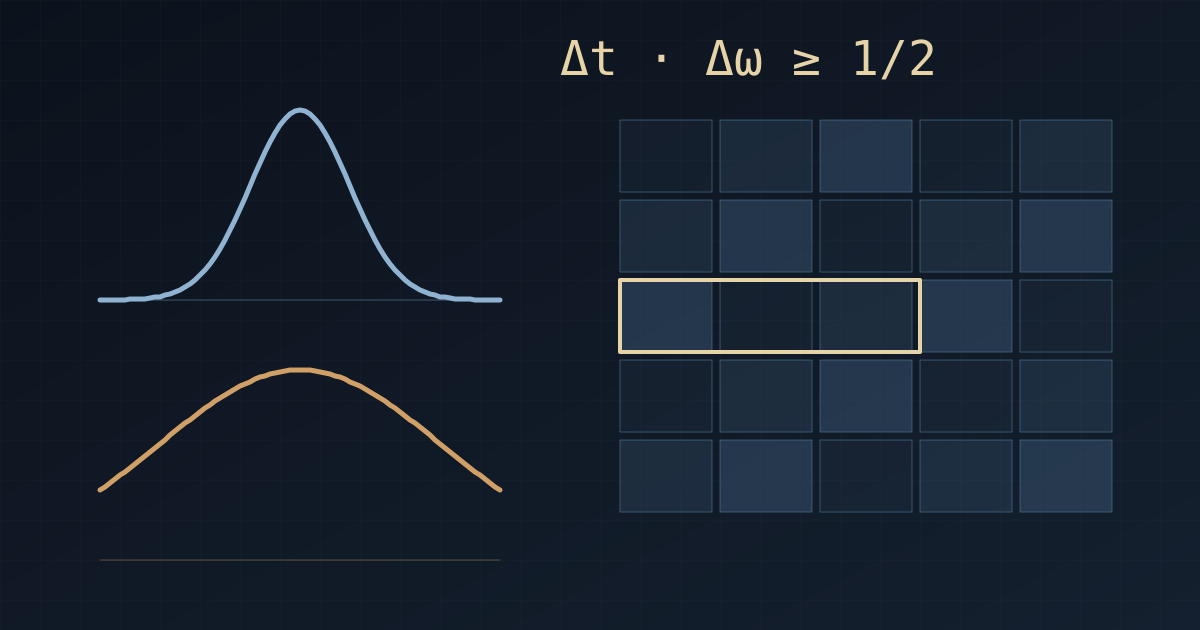
The ordinary Fourier transform is a unitary transform: information is fully preserved, and the inverse transform reconstructs the original signal exactly. This commonly raises a question: if not a single bit of information is lost, why does “uncertainty” still exist? The conclusion of this article is that the uncertainty principle constrains not the total amount of information, but the local readability of that information. It should be stressed that unitarity belongs only to the ordinary Fourier transform: its windowed version (the short-time Fourier transform) and the wavelet transform are merely isometries, not unitary operators. They preserve the norm but are not surjective, and the reproducing-kernel structure of their range provides precisely the sharpest formulation of the uncertainty principle in the time-frequency domain. The article first states the Heisenberg–Weyl inequality and its proof, then explains through three mechanisms (the phase slope, the time-order invariance of the magnitude spectrum, and the reproducing kernel of the range) why invertibility does not provide local readability, and finally verifies the limits of the wavelet transform’s advantage with a cross-band dual-task example, from which a directly computable criterion for method selection is derived.

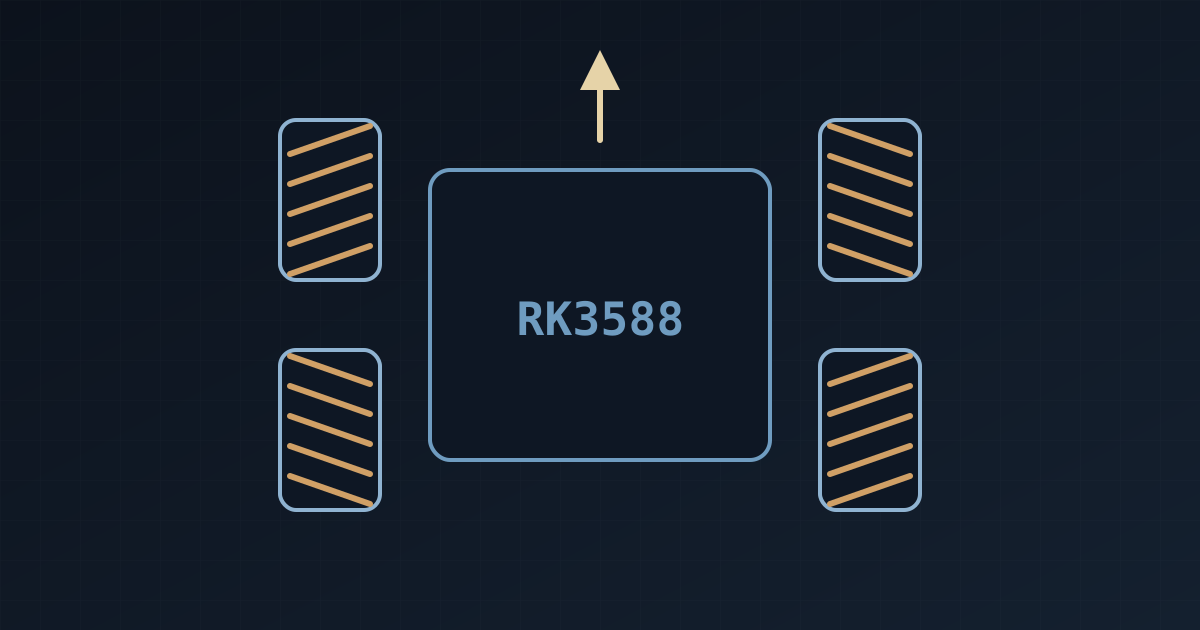
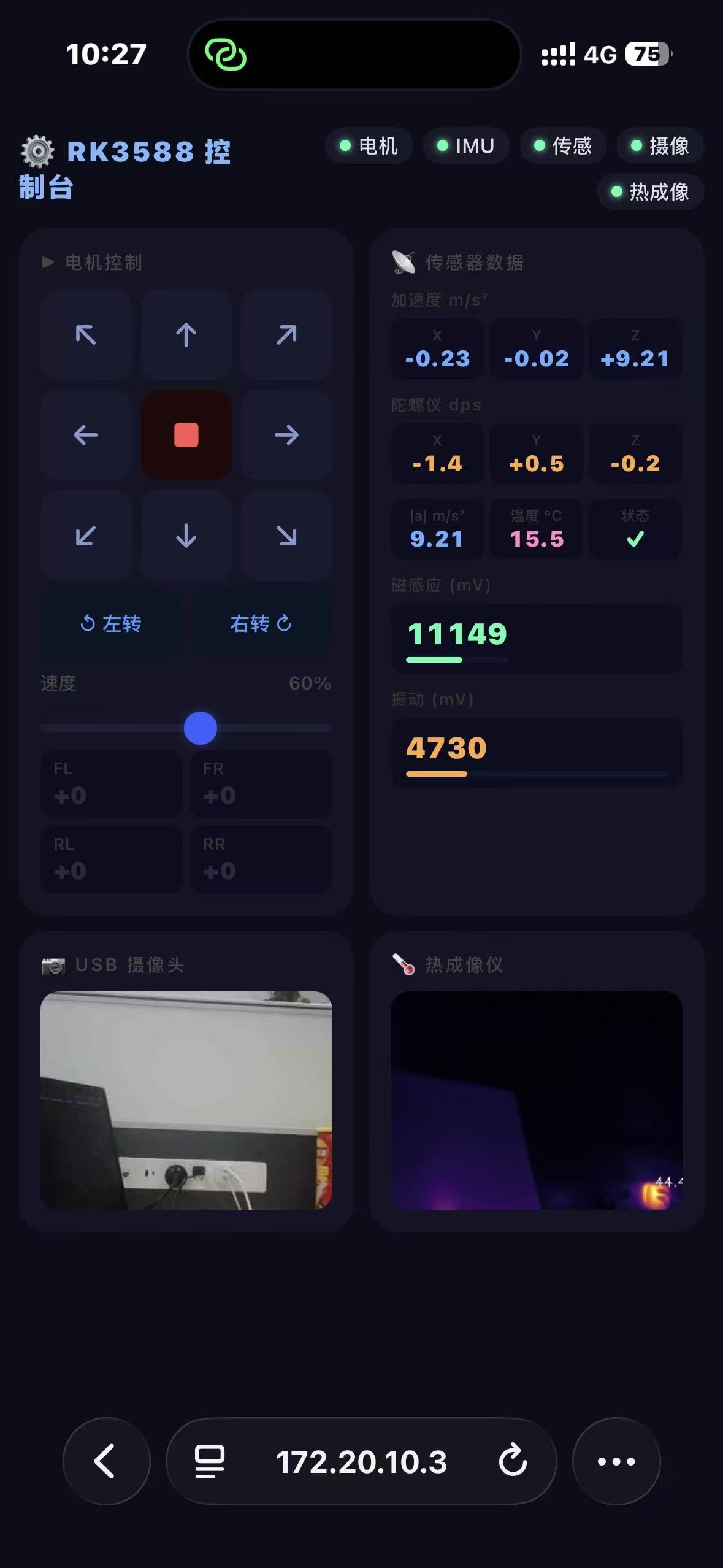
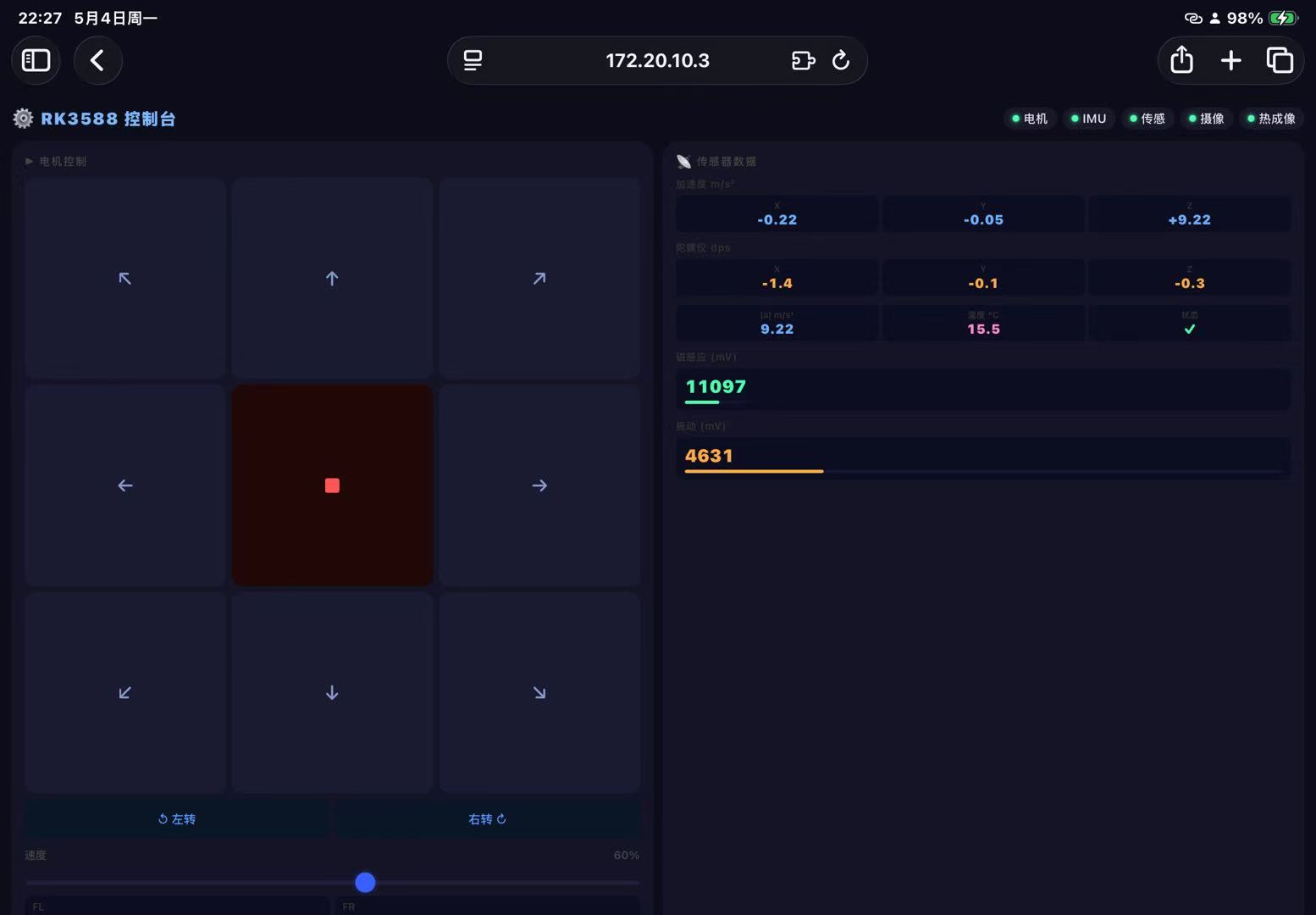
This project implements a four-wheel mecanum robot built on an RK3588 development board. Any device on the same WiFi network (phone, tablet or computer) can control the robot remotely through a web browser. The system integrates thermal-imaging temperature acquisition, six-axis IMU monitoring and real-time USB camera streaming, and the front-end page is adapted to mobile touch screens. The project is open-sourced on GitHub: Yu-Xiang-Yang/rk3588-multimodal-mecanum.

Control from a phone
Control from an iPad

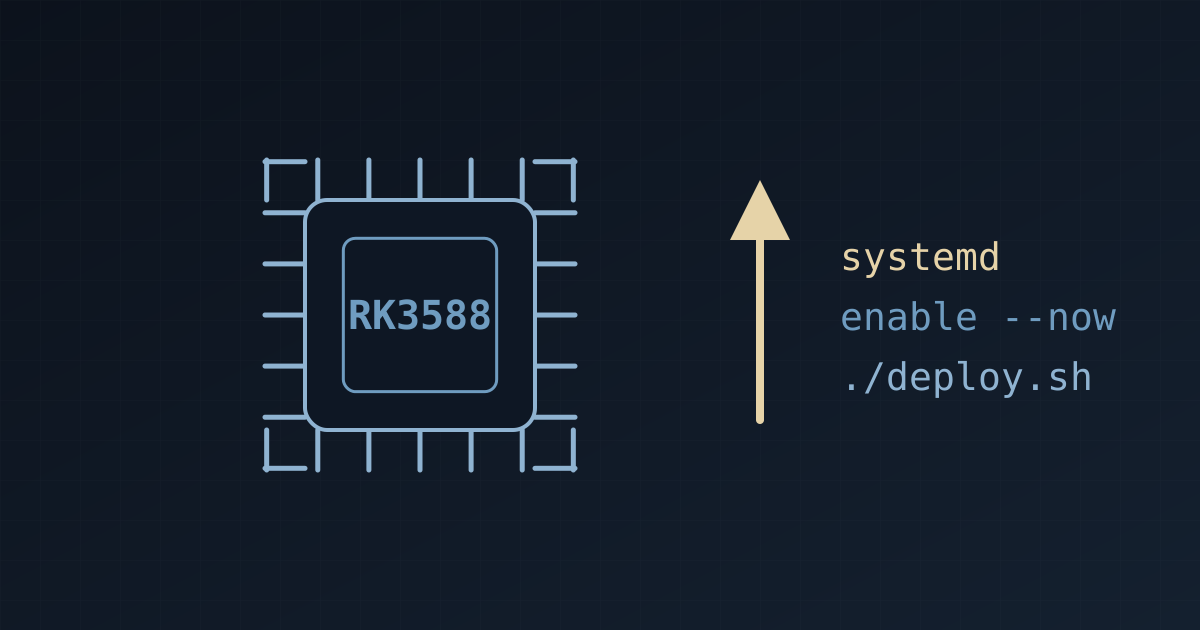
Deploying a Python application on an RK3588 Buildroot system by hand is tedious and error-prone: files must be uploaded one by one via adb, dependencies installed, and an init.d autostart script configured. I therefore developed a one-click deployment toolkit that supports PowerShell and Git Bash and completes the entire workflow, from upload to autostart configuration, with a single command. The project is open-sourced on GitHub: Yu-Xiang-Yang/deploy.