Sorry, your browser cannot access this site
This page requires browser support (enable) JavaScript
Learn more >

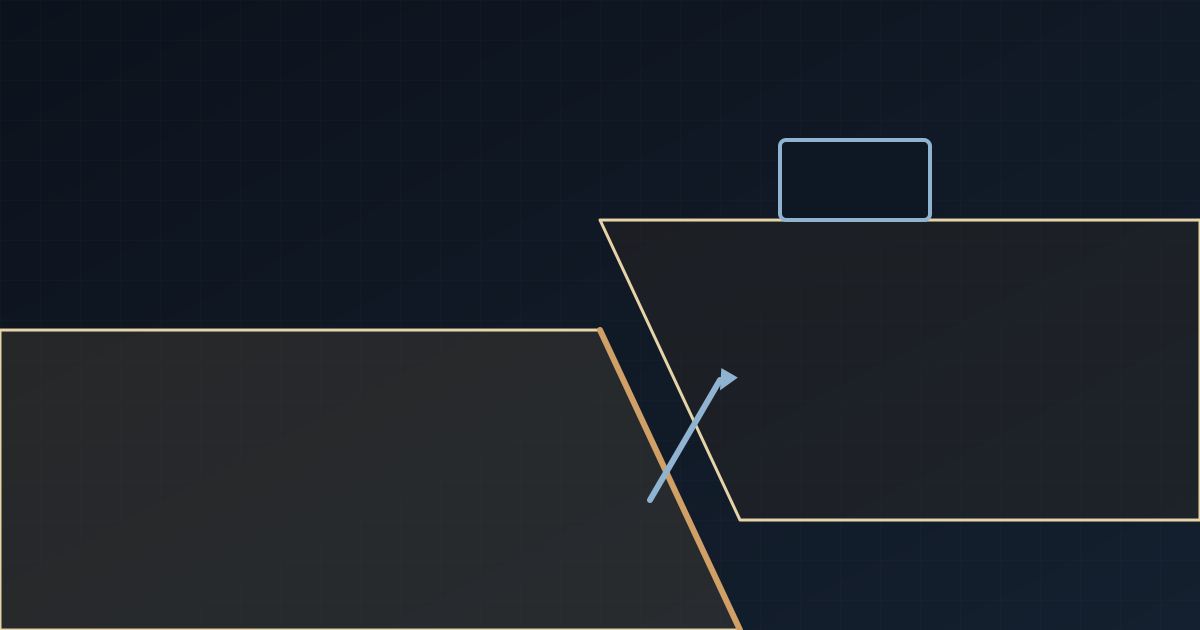
This post introduces the paper Experimental study on the interaction mechanisms of soil overlying embedded foundations under reverse faults, published in Transportation Geotechnics (2025, 54: 101596). Through 26 1g model tests combining three factors (foundation position, embedment depth and structural load), the study examines the interaction between embedded foundations and the rupture zone under reverse fault movement. Based on the characteristics of ground surface and foundation displacement, the interaction is classified into three modes: bottom contact, sidewall-bottom contact and sidewall contact. The transitions between the modes are delineated, and the underlying mechanisms are explained in terms of foundation stiffness and additional stress.
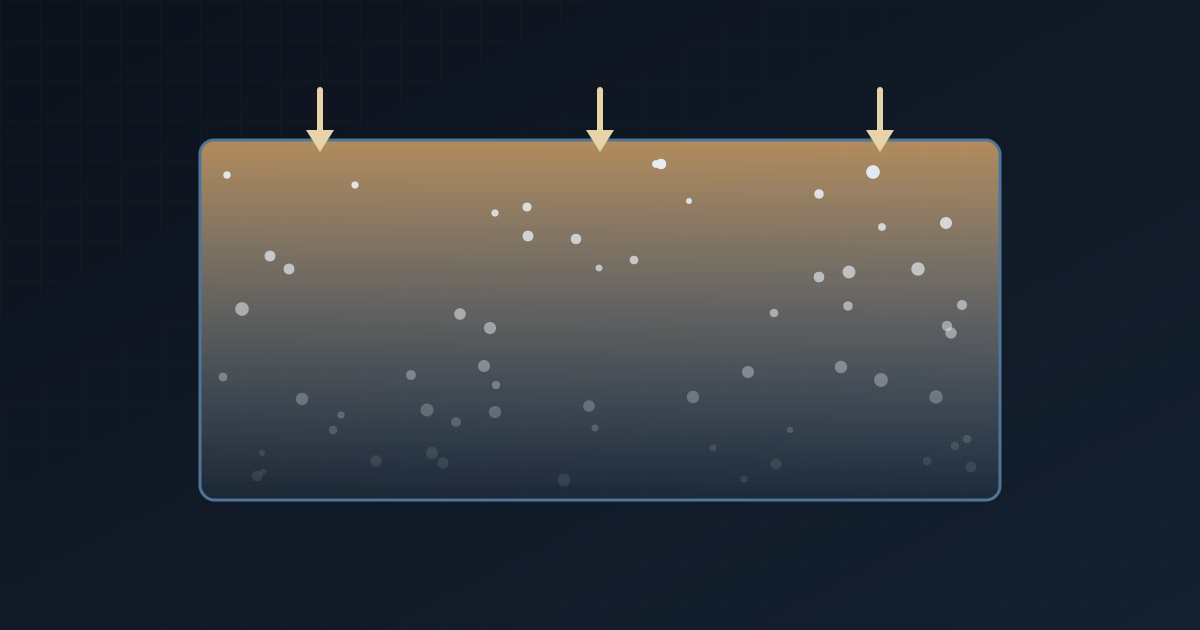
This post introduces the paper Analytical solution for one-dimensional chemo-hydro-mechanical coupled consolidation under time-dependent loading in buffer clay layer, published in the Canadian Geotechnical Journal (2025, 62: 1–13). Addressing the situation in landfills and similar works where the load is applied progressively over time, the study establishes a one-dimensional chemo-hydro-mechanical (CHM) coupled consolidation model for a buffer clay layer. The two coupled partial differential equations are decoupled by a linear combination, and analytical solutions are derived for four cases: ramp loading and exponential loading, each under single-sided and double-sided drainage. After verification against numerical solutions obtained with COMSOL Multiphysics, the influence of eight parameters on pore water pressure and contaminant transport is analysed systematically.